Ventilation shafts
Many passengers appreciate the metro not only for its speed or the beauty of its stations. Even during the coldest winters, the underground remains comfortably warm, while in summer it stays pleasantly cool. This stable indoor climate is maintained by a powerful ventilation system. Each station complex, as well as many tunnel sections, is served by a dedicated ventilation shaft that provides a continuous supply and exhaust of air through either natural or mechanical ventilation. Each ventilation shaft consists of three main components: a ventilation chamber, an air intake, and the above-ground ventilation kiosk. The kiosk is the visible part of the system and is usually located near a station or above a tunnel. Its door typically bears the letters “ВШ” or “Ш”, followed by a three- or four-digit identification number.
In supply mode, fresh air is drawn from the surface into the tunnels. In exhaust mode, air from the tunnels is expelled to the surface. The operating modes are adjusted seasonally to maintain the most comfortable conditions for passengers. The trains themselves also play an important role in ventilation. Acting like giant pistons, they help move air through the tunnels while simultaneously providing much of the heat generated within the system. The ventilation units process approximately 60–80 million cubic metres of air every day, allowing the metro to maintain a comfortable temperature without conventional heating or air-conditioning systems.
The ventilation shafts are equipped with motion and intrusion sensors. If unauthorised access is detected, an alarm is automatically triggered, and a security response team is dispatched. Additional sensors continuously monitor the air for hazardous gases and harmful industrial emissions. If dangerous substances are detected, airtight dampers automatically seal the affected ventilation shaft.
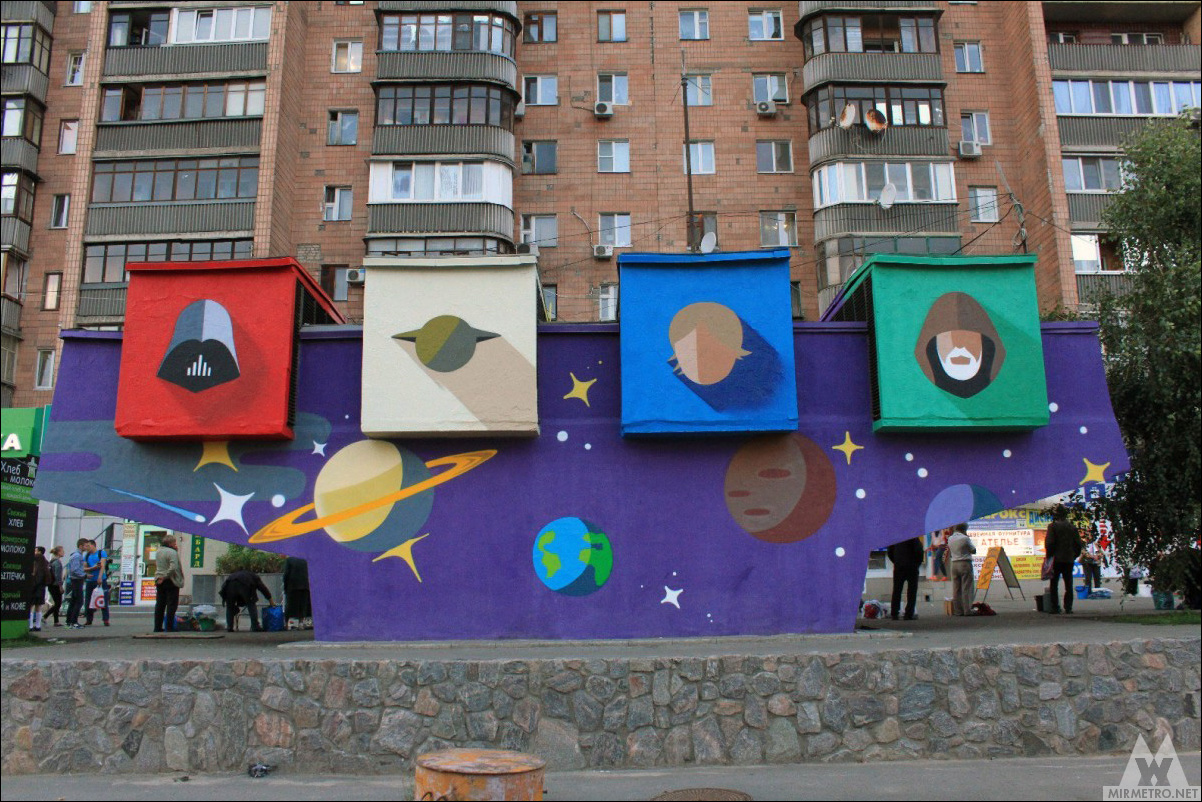
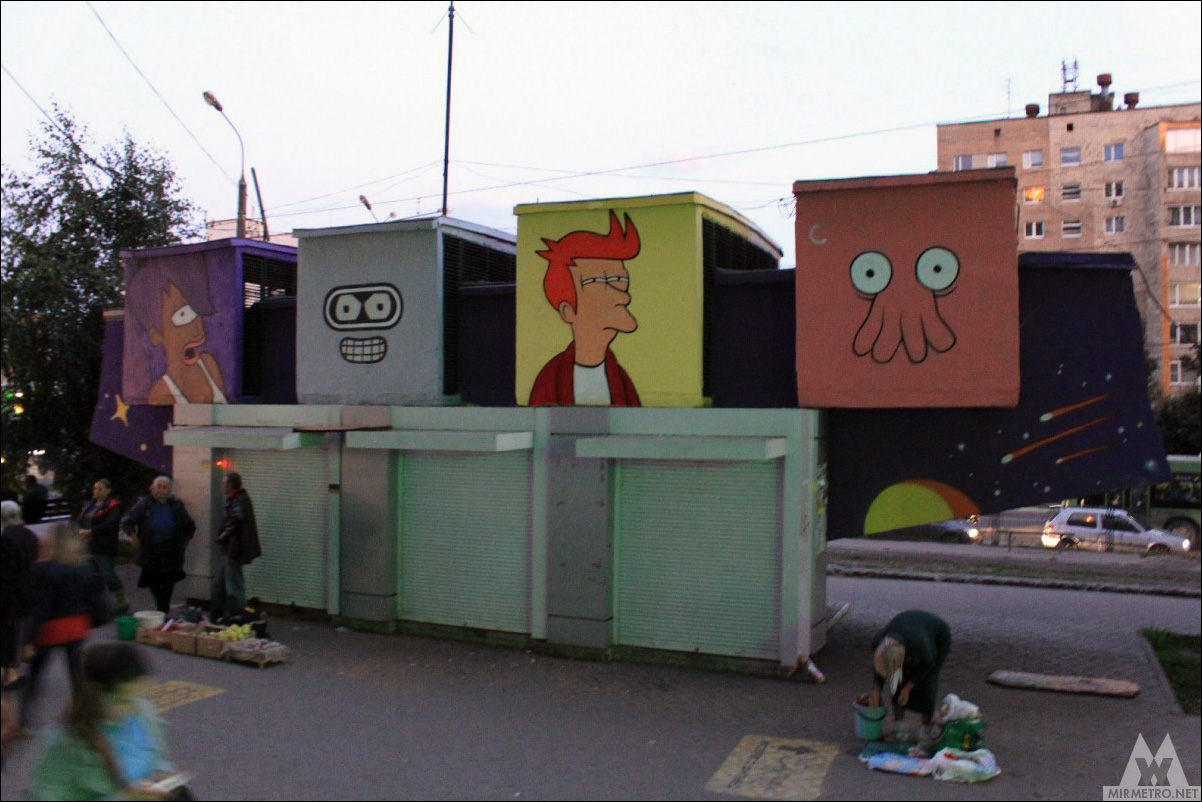
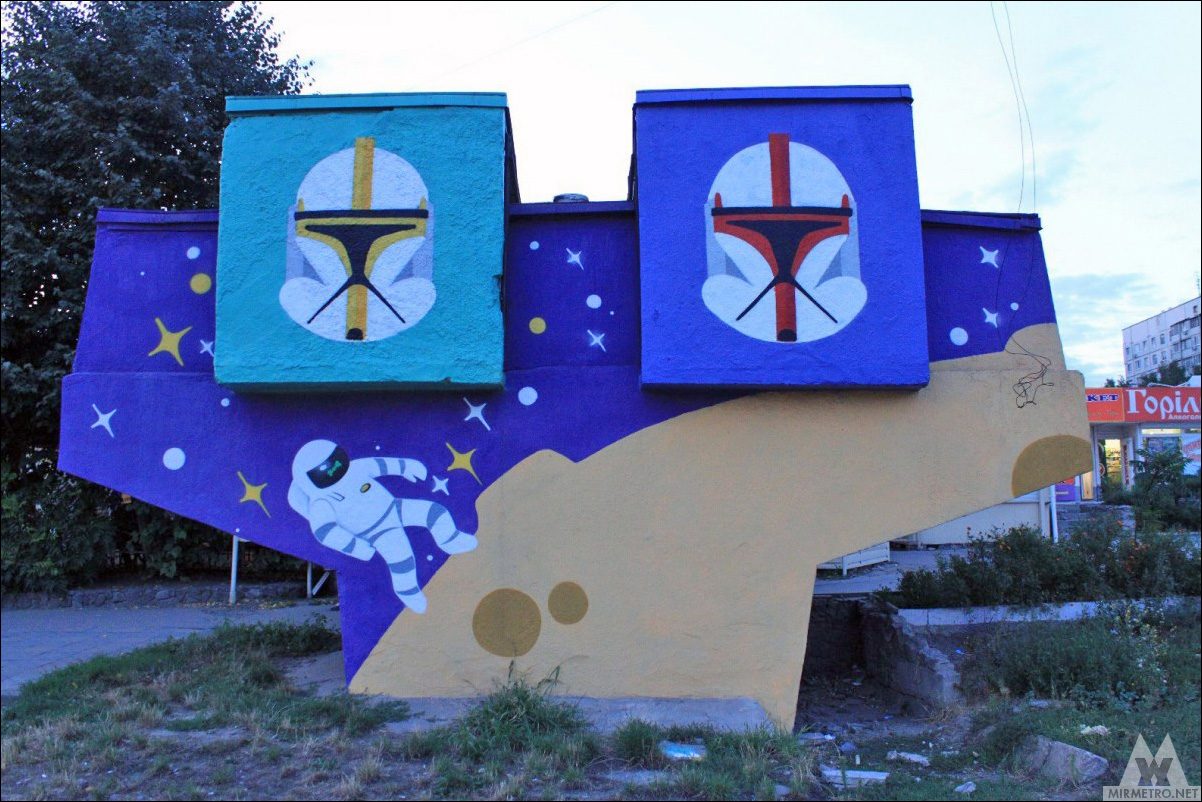
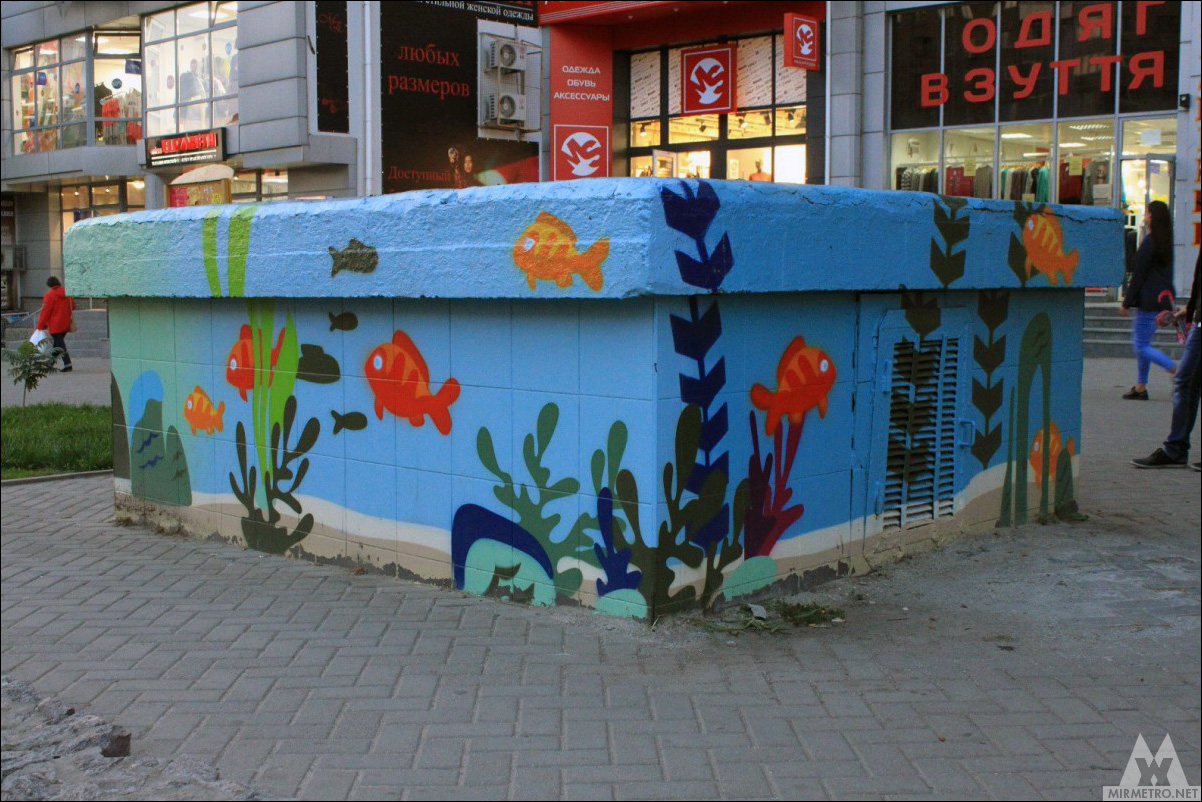
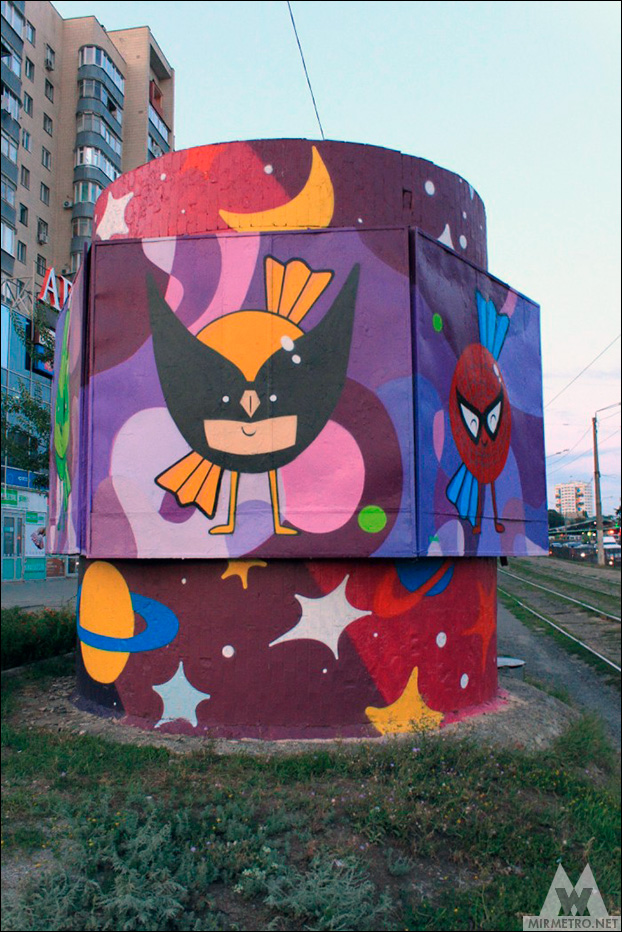
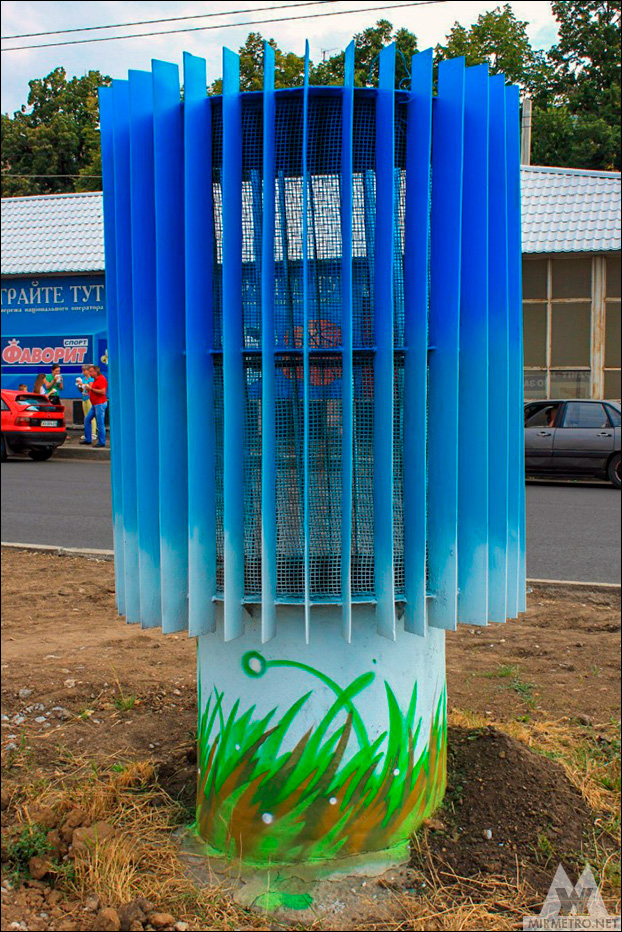
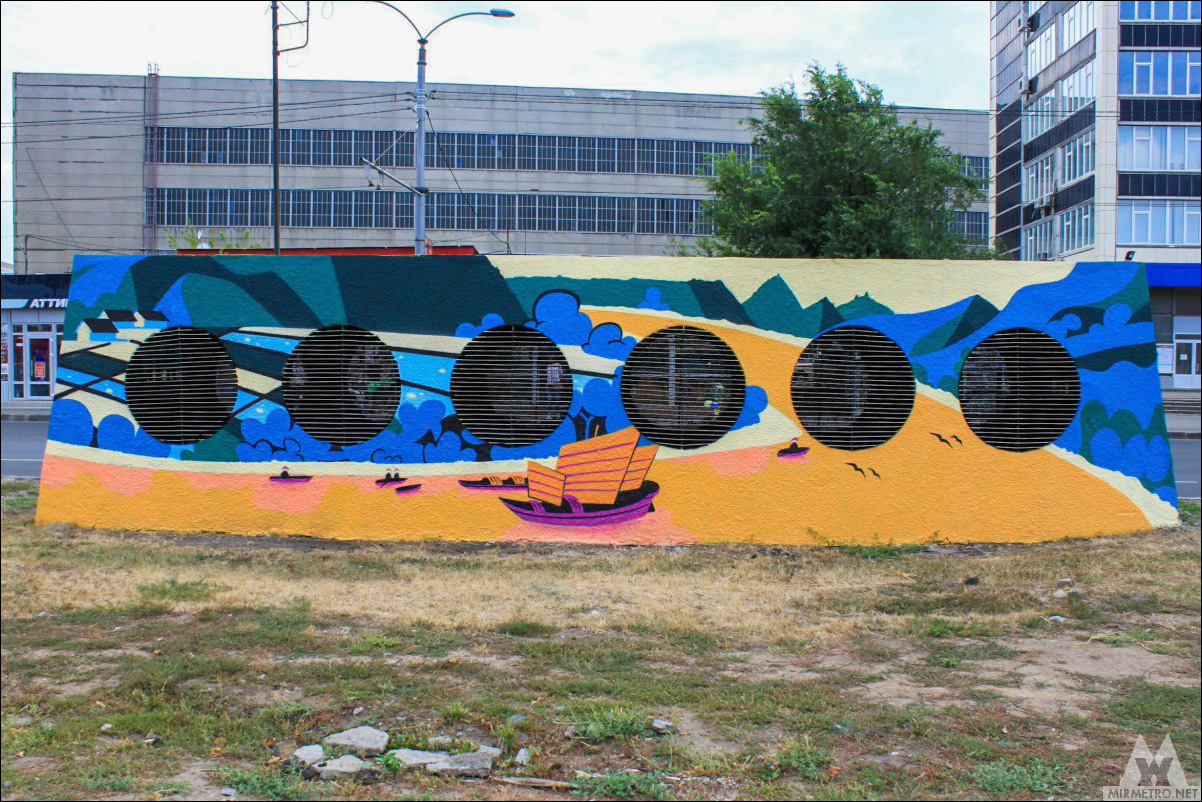
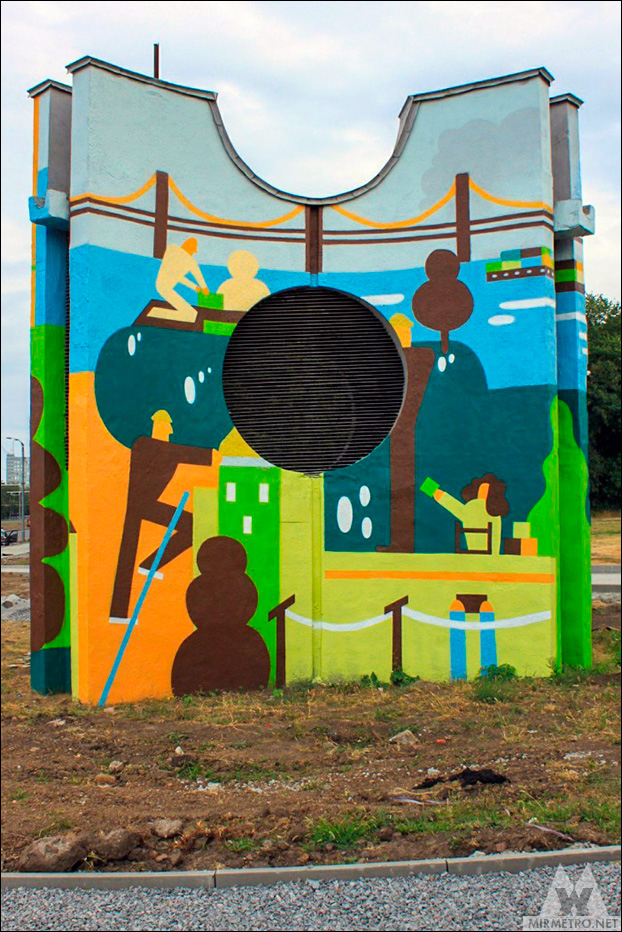
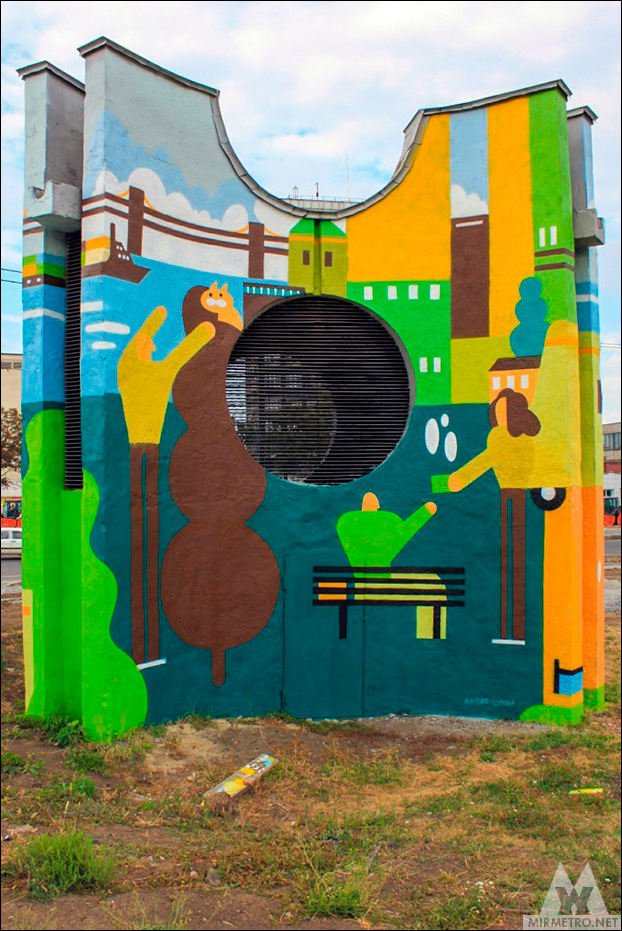
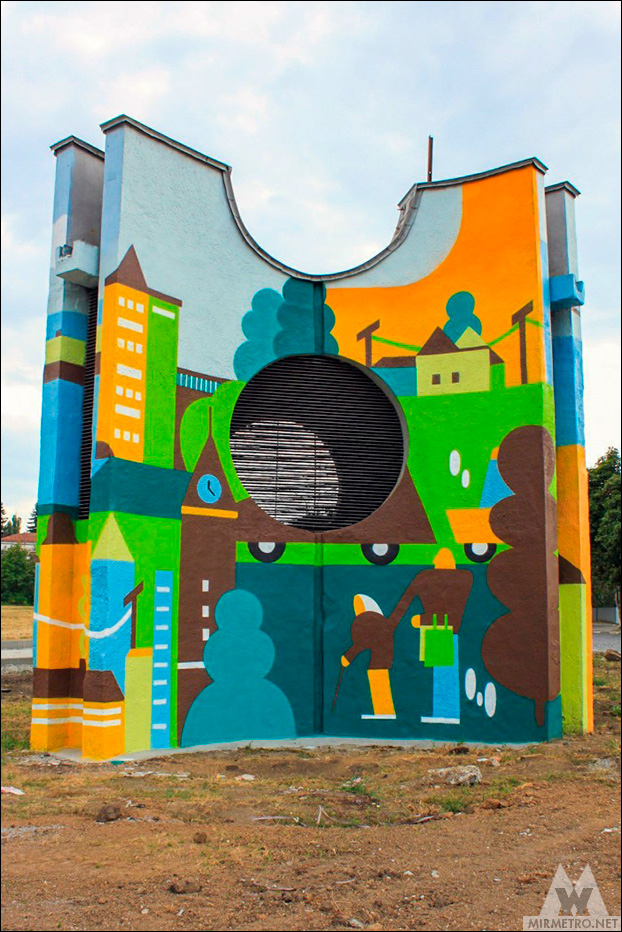
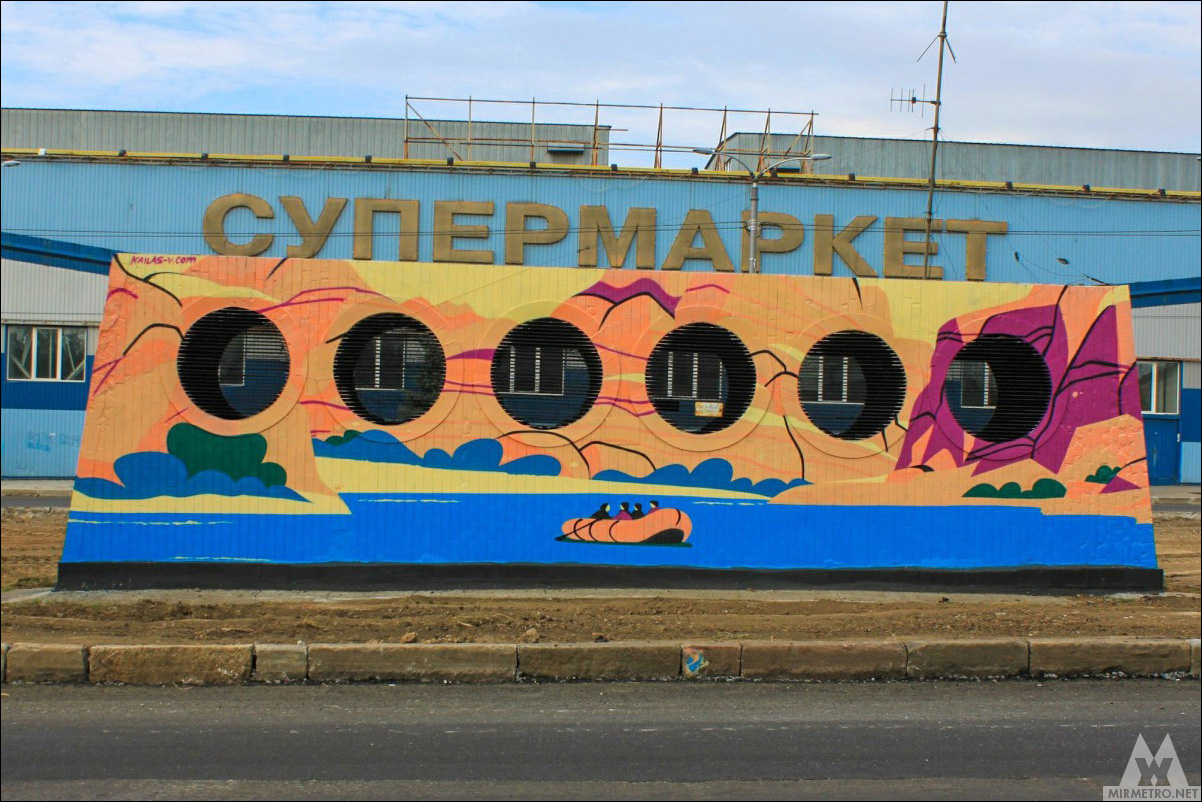
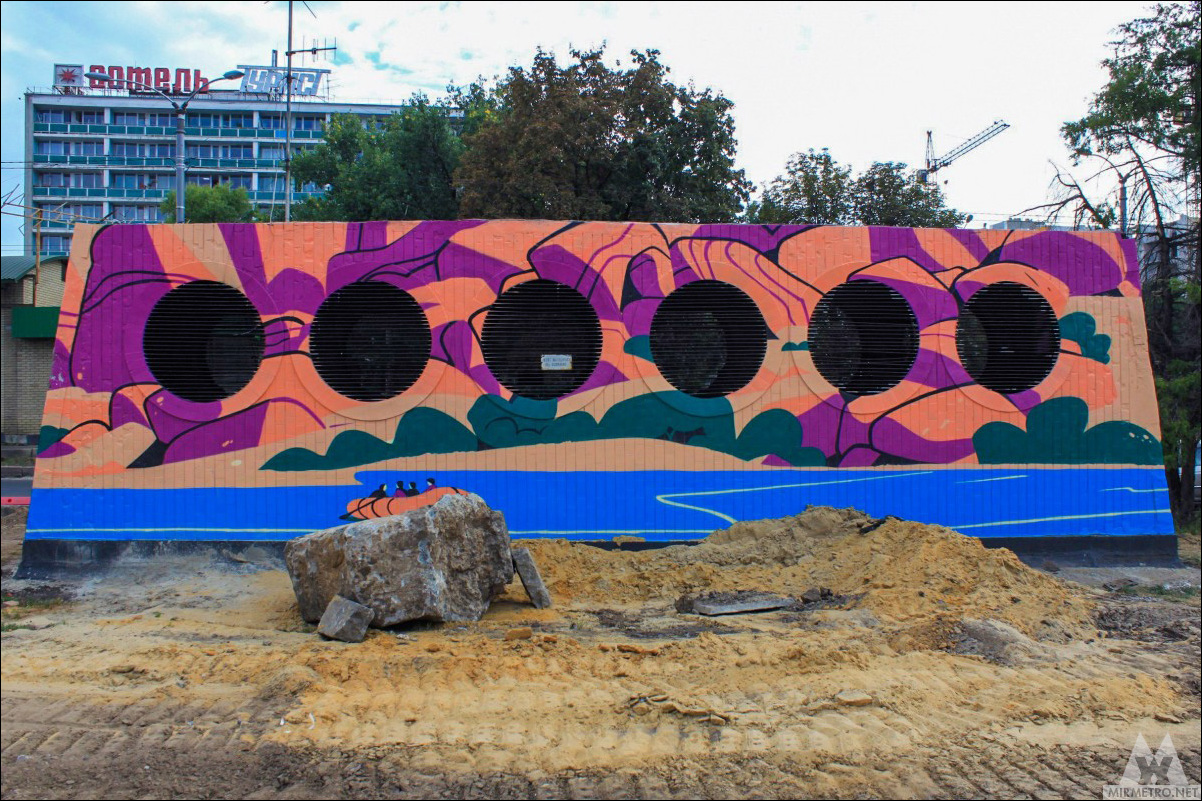
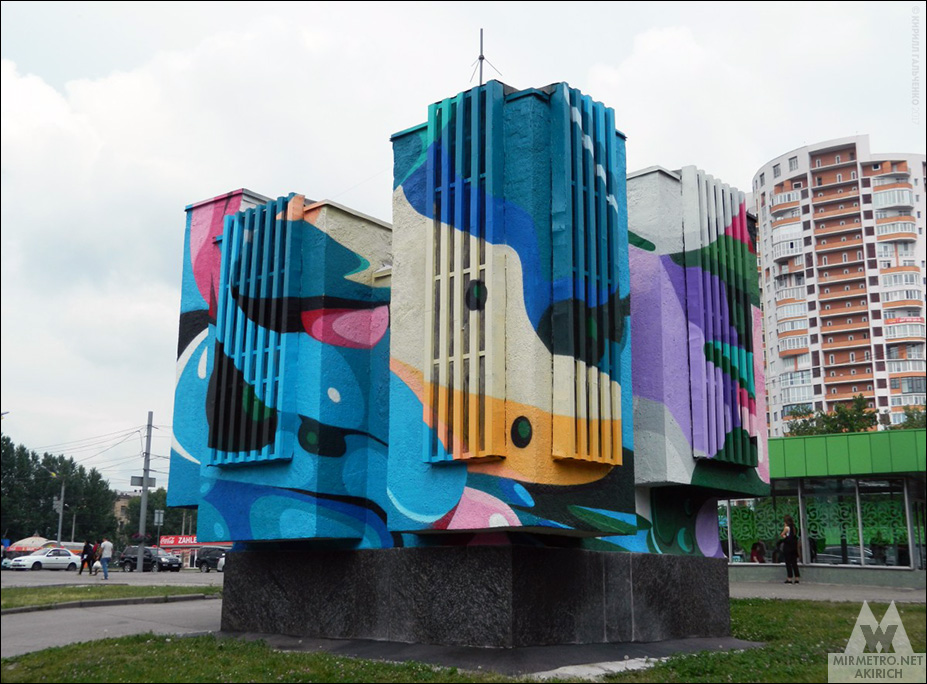
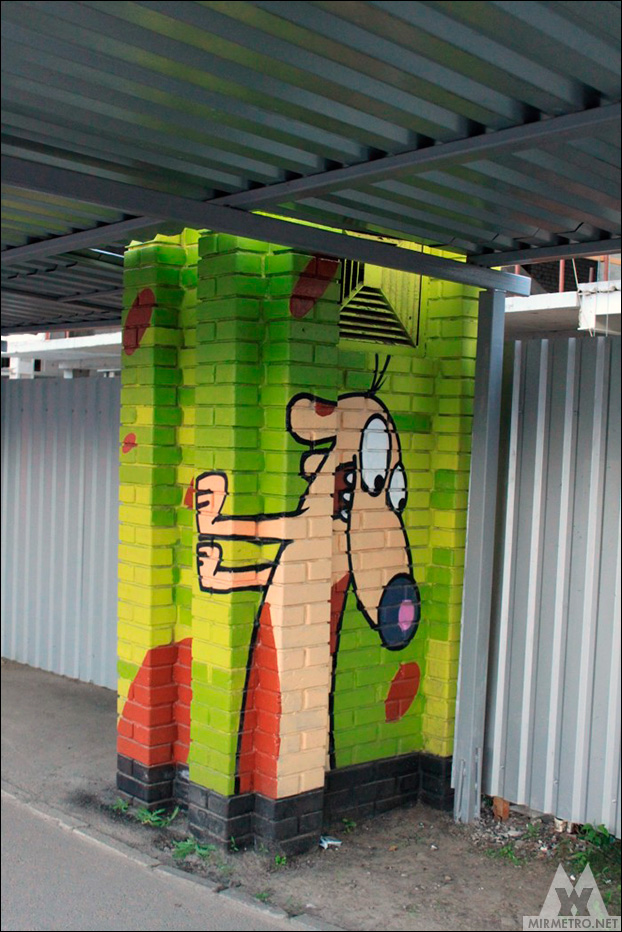
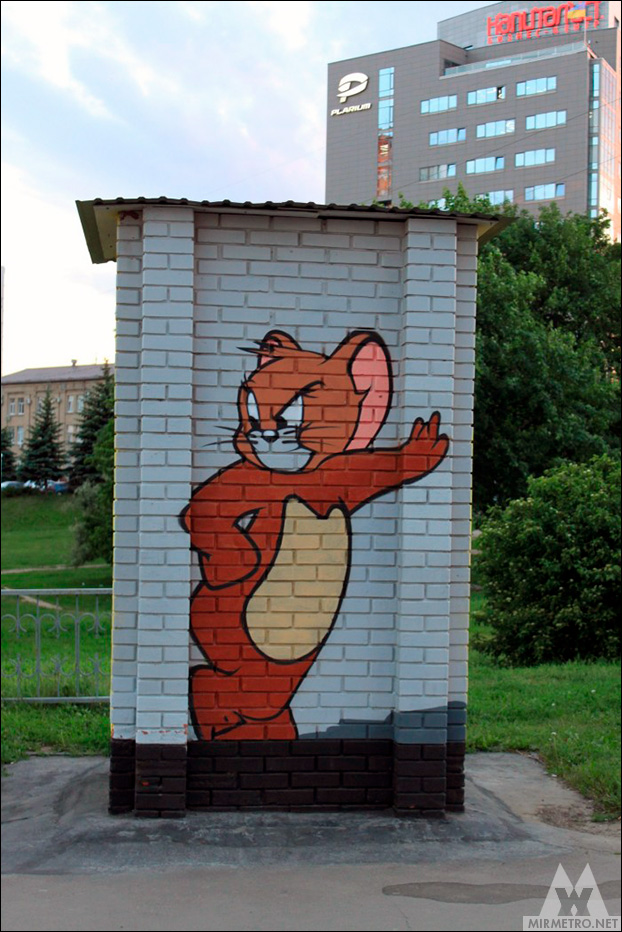
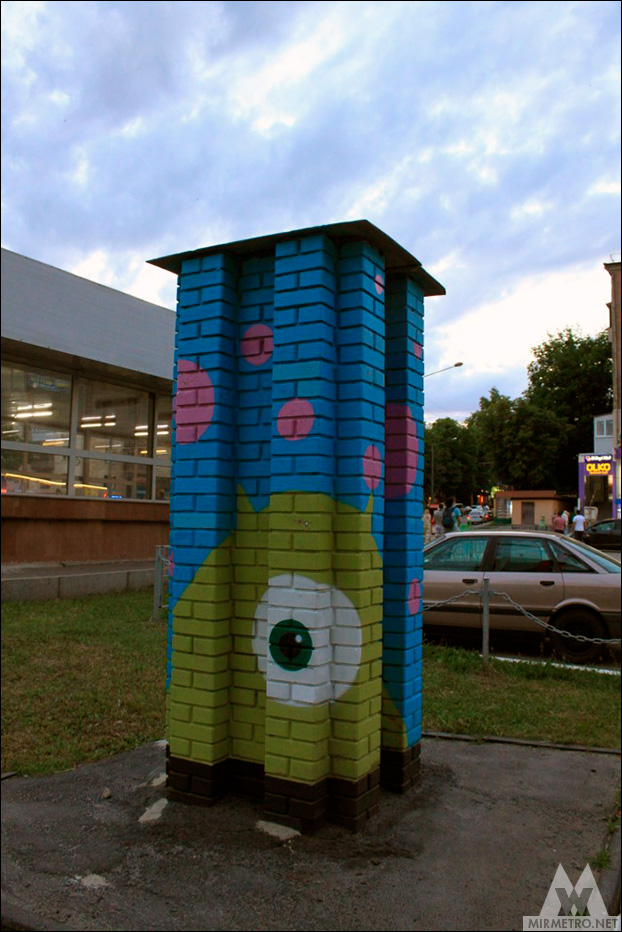
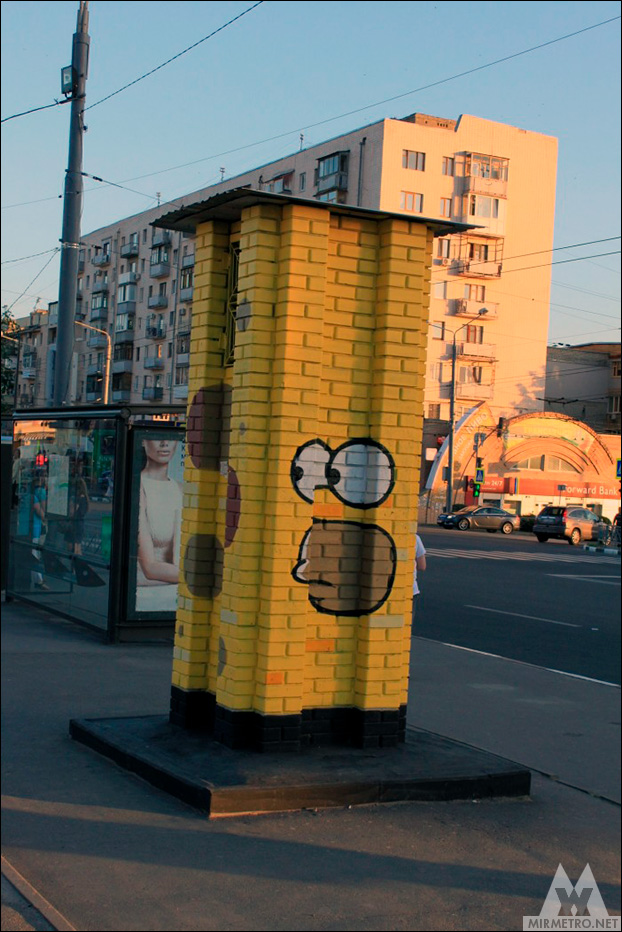
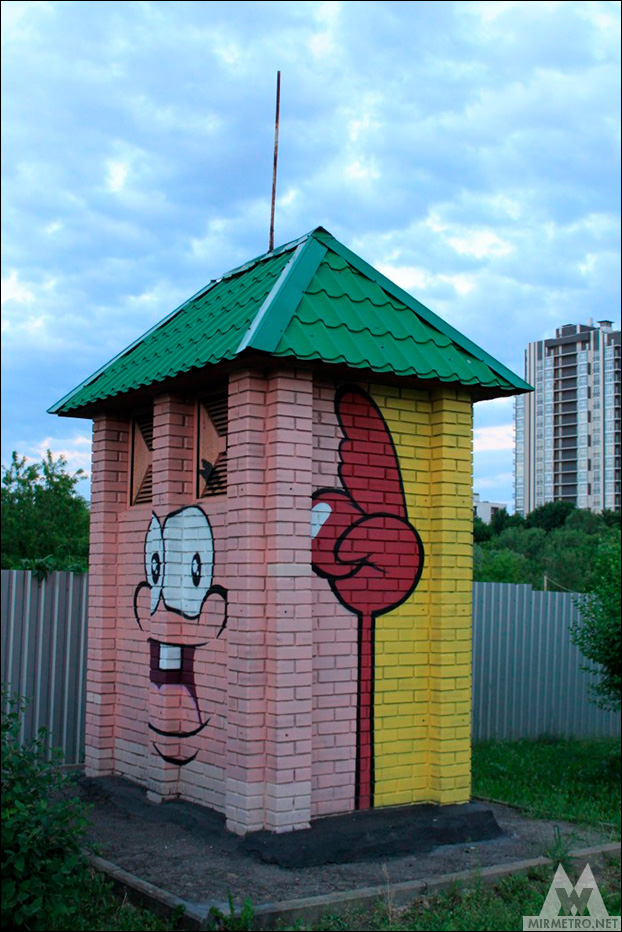
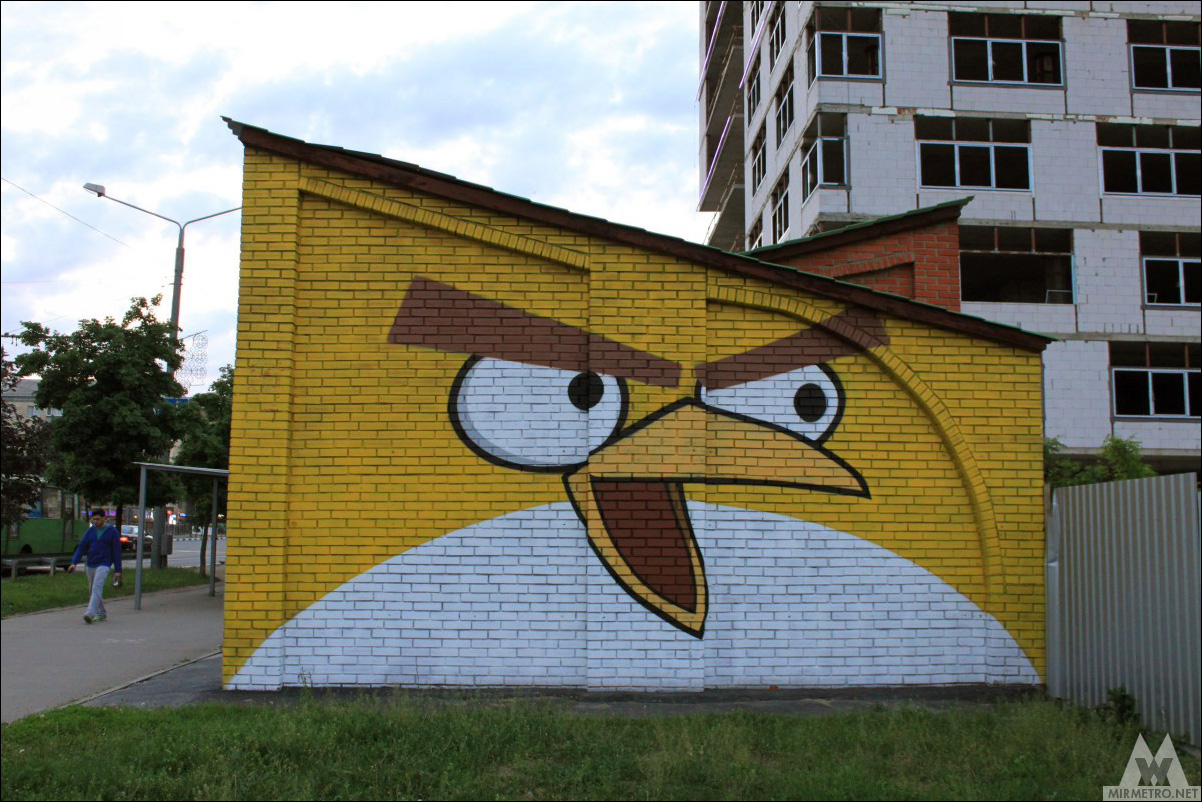
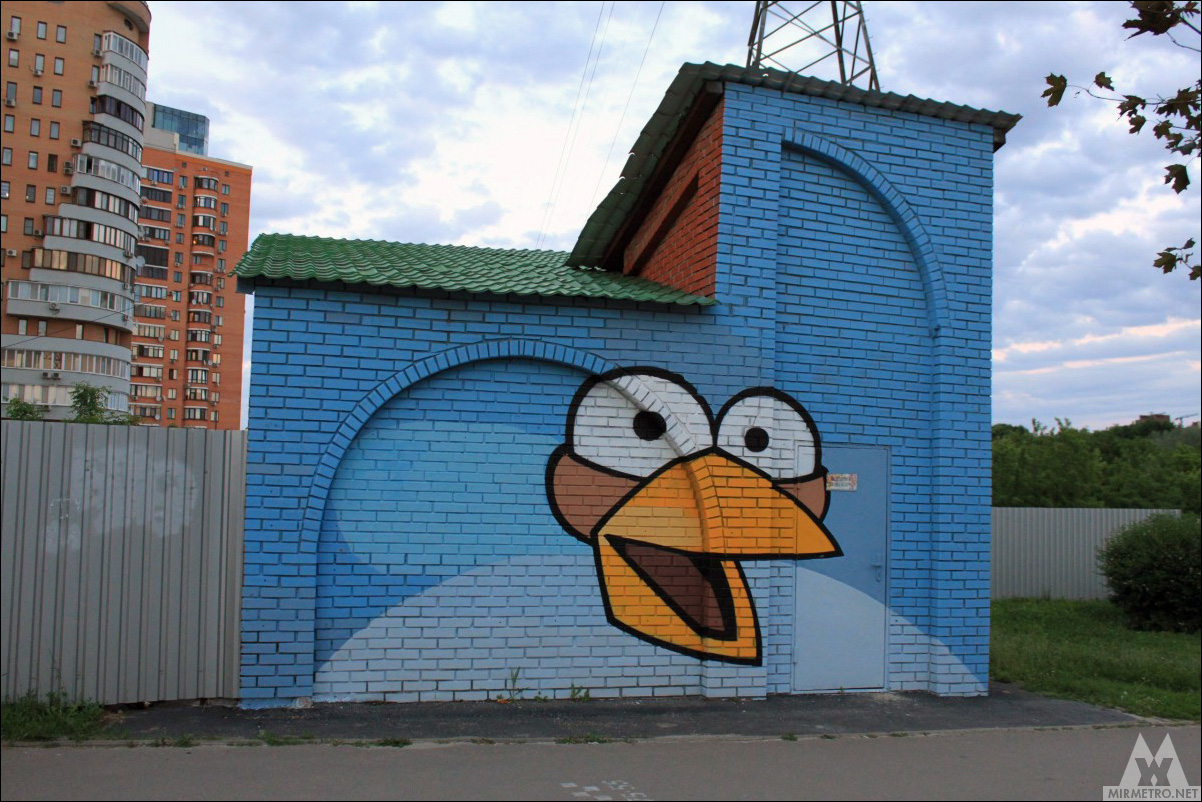
Since 2016, the Kharkiv design studio Kailas-V has been decorating many ventilation kiosks with colourful murals on a wide variety of themes, including popular cartoon characters. These artworks are usually created on shafts located in prominent public spaces, giving them a distinctive place in the city’s urban landscape.