Metro in the Years of War
In the early morning of 24 February 2022, the whole of Ukraine woke to explosions. Pain, grief, anger and despair merged into one for millions of people. From the very first days, the sounds of artillery salvos, air raids and air-raid sirens rang out in Kharkiv. As the nearest shelter, many people chose the metro and fled there with their relatives, with children and elderly people, with their four-legged pets, grabbing mats, food and the simple household items they could snatch in haste. At around 2:20 p.m., train movement was completely halted, the power was cut from the contact rail, and trains stopped at whatever stations they happened to be at that moment.
In the days when the brave soldiers of the Armed Forces of Ukraine were liberating the Kharkiv region from the enemy, and rescuers, doctors, utility workers, and volunteers were sustaining life in the war-torn city, the Kharkiv Metro became a second home for those fleeing the shelling, for those afraid to return to their homes, and also for those who already had nowhere left to return to. Many people sought shelter at the stations located in the KhTZ (Tractor plant) and Northern Saltivka areas. The destruction in these districts is appalling, and it was precisely there that the greatest number of civilians were killed and wounded by shelling.
Metro stations in the first days of Russia’s invasion of Ukraine. This is how people spent their days and nights.
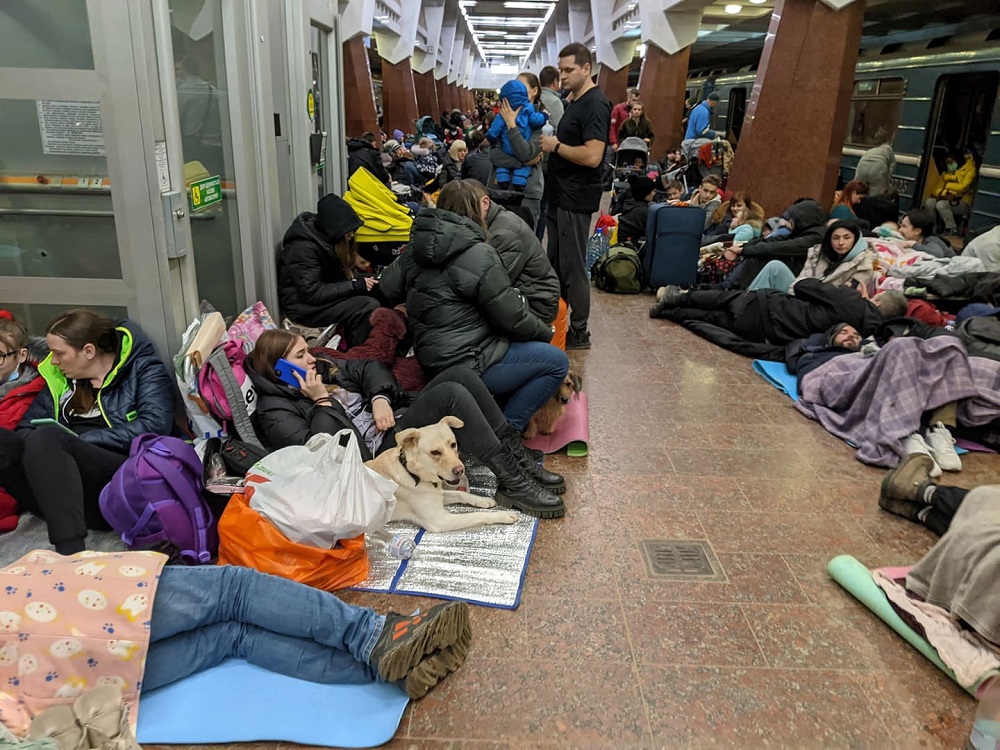
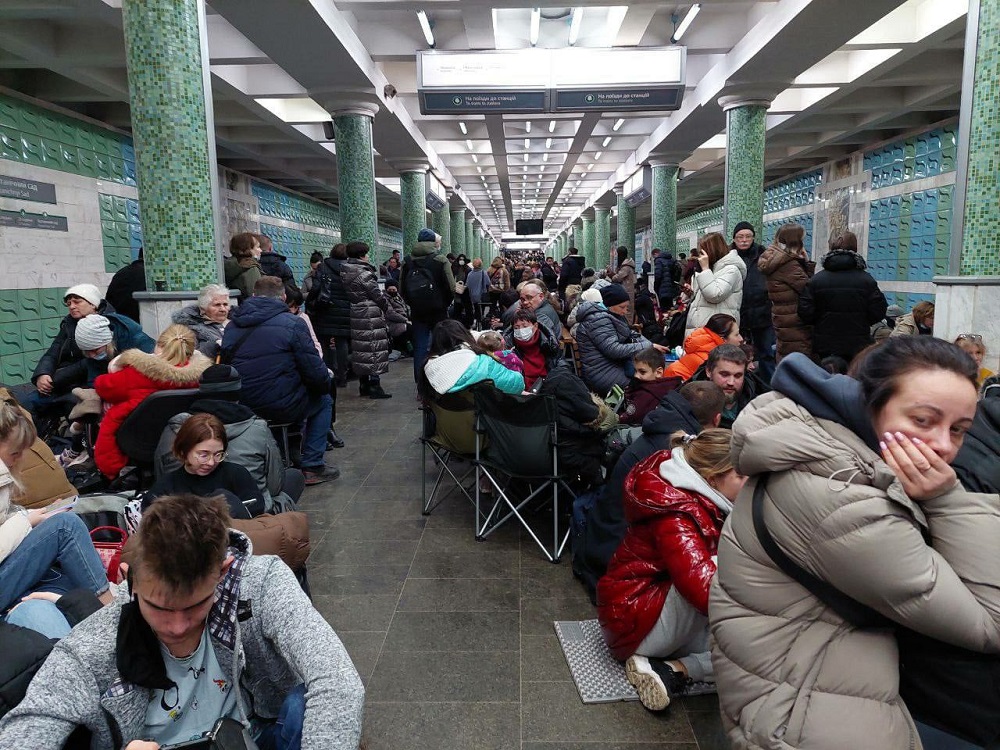
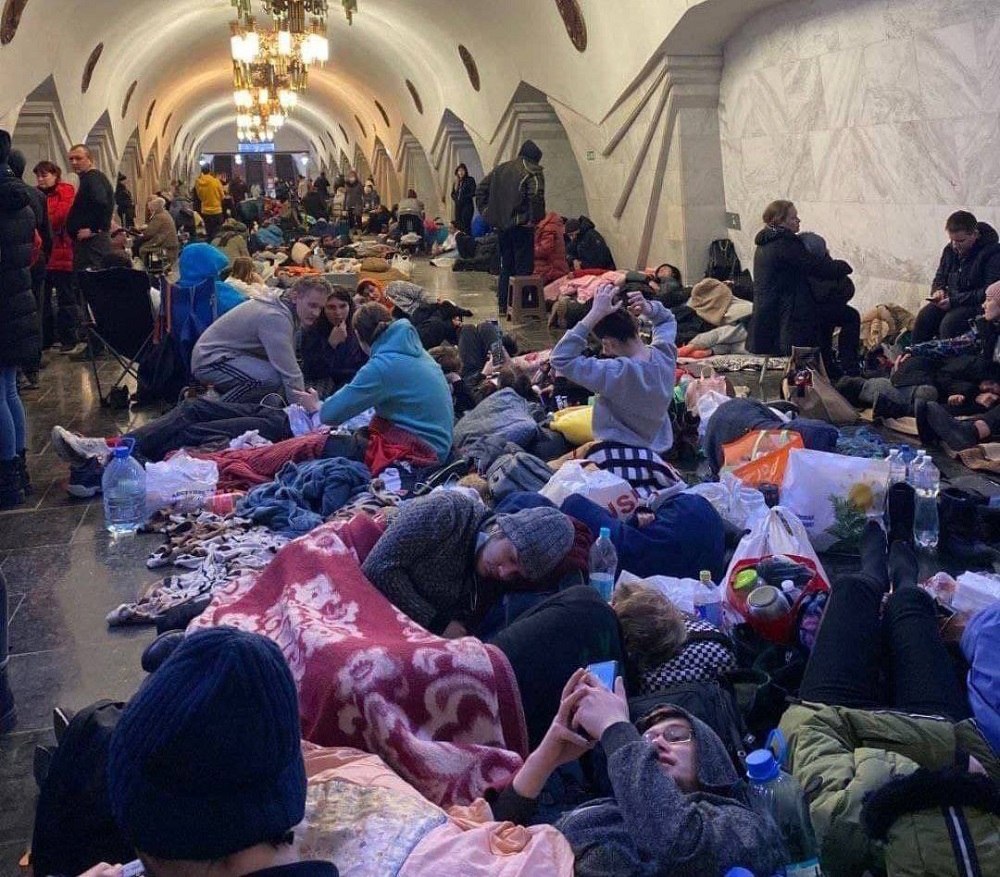
Nevertheless, even during the three months that the metro served as a shelter, life went on inside it. Volunteers regularly delivered food to those in need. Distance learning was organised for children, and psychologists and teachers worked with them. The Kharkiv Puppet Theatre put on a series of performances. Specialists from the Department of Civil Protection of the Kharkiv Regional Military Administration, together with rescuers and volunteers from the Red Cross, conducted safety training during military operations. On Victory Day, Mayor Igor Terekhov addressed Kharkiv’s war veterans. At the Maidan Konstututsii station, the famous Ukrainian performer Sviatoslav Vakarchuk gave a concert, and on occasion a wedding was even held on the platform of the Universytet station.
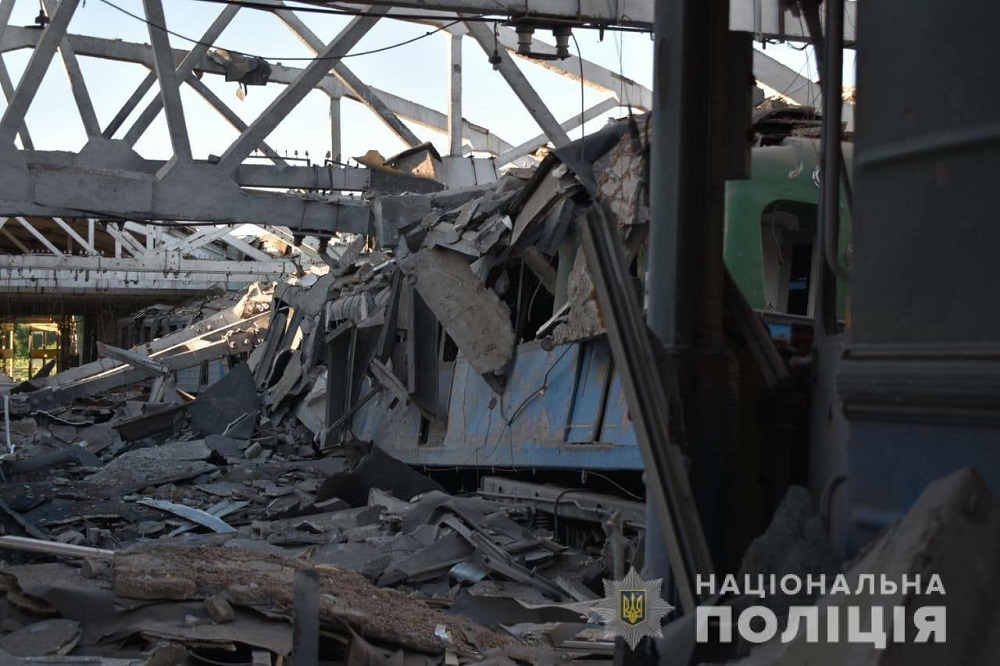
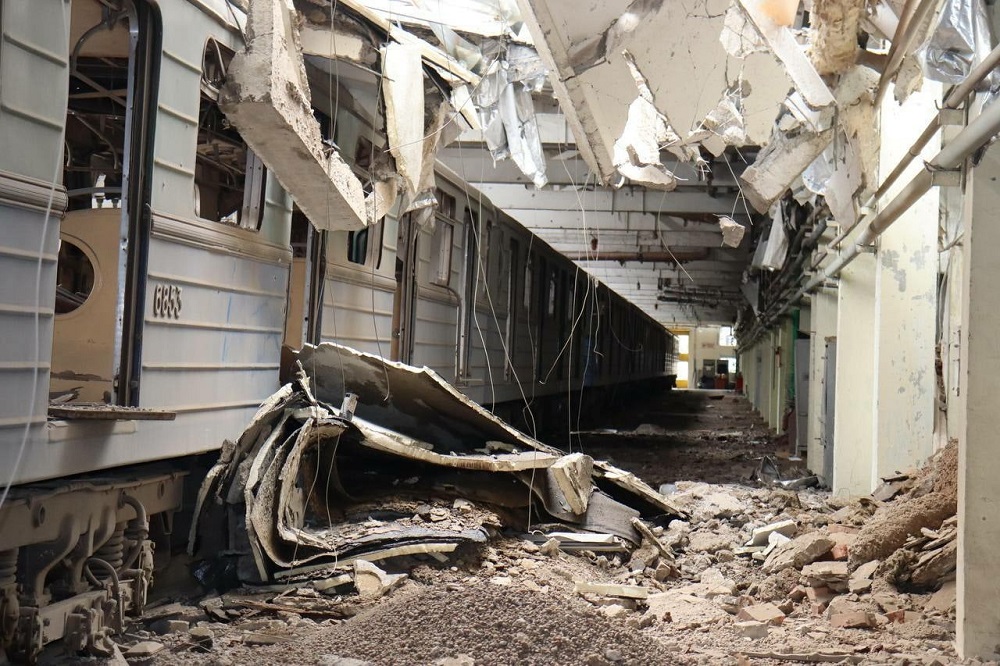
The metro stations were among the safest places in the city, which cannot be said of its main surface infrastructure – the electric depots. On 6 March 2022, the Saltivske depot was damaged as a result of an attack. On 20 June, already at a time when the metro was carrying passengers again, a missile struck the Nemyshlianske depot, leading to the partial collapse of the roof and the destruction of several cars, including a rare D-type car; one person was injured. Just three weeks later, on 13 July, the depot was attacked once more – this time the rear side of the building and part of the roof collapsed, and cars sustained damage of varying severity.
Consequences of the attack on the Nemyshlianske depot on 20 June 2022.


Consequences of the attack on the Nemyshlianske depot on 13 July 2022.


Only after the intensity of the shelling of the city decreased did the metro resume passenger services, on 24 May 2022. However, the section of the Saltivska line from Akademika Barabashova to Heroiv Pratsi operated with constant interruptions – it was frequently closed and then reopened depending on the situation in the city and the state of the power system. The metro operates on a reduced schedule adjusted for the curfew; after reopening, intervals were 30 minutes, and were subsequently gradually reduced. In the last weeks before the reopening, most of the people taking shelter were relocated to sanatoriums and dormitories; nevertheless, the metro was still used as a shelter. In some concourses, people continued to live until the end of 2022, and the metro also remains available for shelter at night and during air-raid warnings. The resumption of services was vitally important for transport links in the city. The metro’s role in this respect became even more significant than before the war, since roughly half of the trams and a third of the trolleybuses had been destroyed.
Of course, it was impossible to say that the metro’s operation ran smoothly during the war. Throughout the autumn and winter of 2022–2023, Russian attacks on energy infrastructure facilities led to power outages in the city and region, and, as a consequence, to the impossibility of running the metro. It often happened that when the contact rail lost power, trains stopped right in the tunnel. It was then that many passengers had to make use of the evacuation instructions that for many years could be read under the diagrams hanging in the carriages, but to which nobody had traditionally paid attention. The situation repeated itself in March–April 2024, when the bombings, as it seemed at the time, completely paralysed the power system. Fortunately, thanks to the persistent and coordinated work of Ukraine’s energy workers, electricity in the city was restored exceptionally quickly — contrary to the enormous damage and losses to the energy system, the restoration of power supply never took more than two days. Although a long time has passed since the resumption of services, travel remains free of charge to this day, which costs the city budget 60–80 million hryvnias a month.
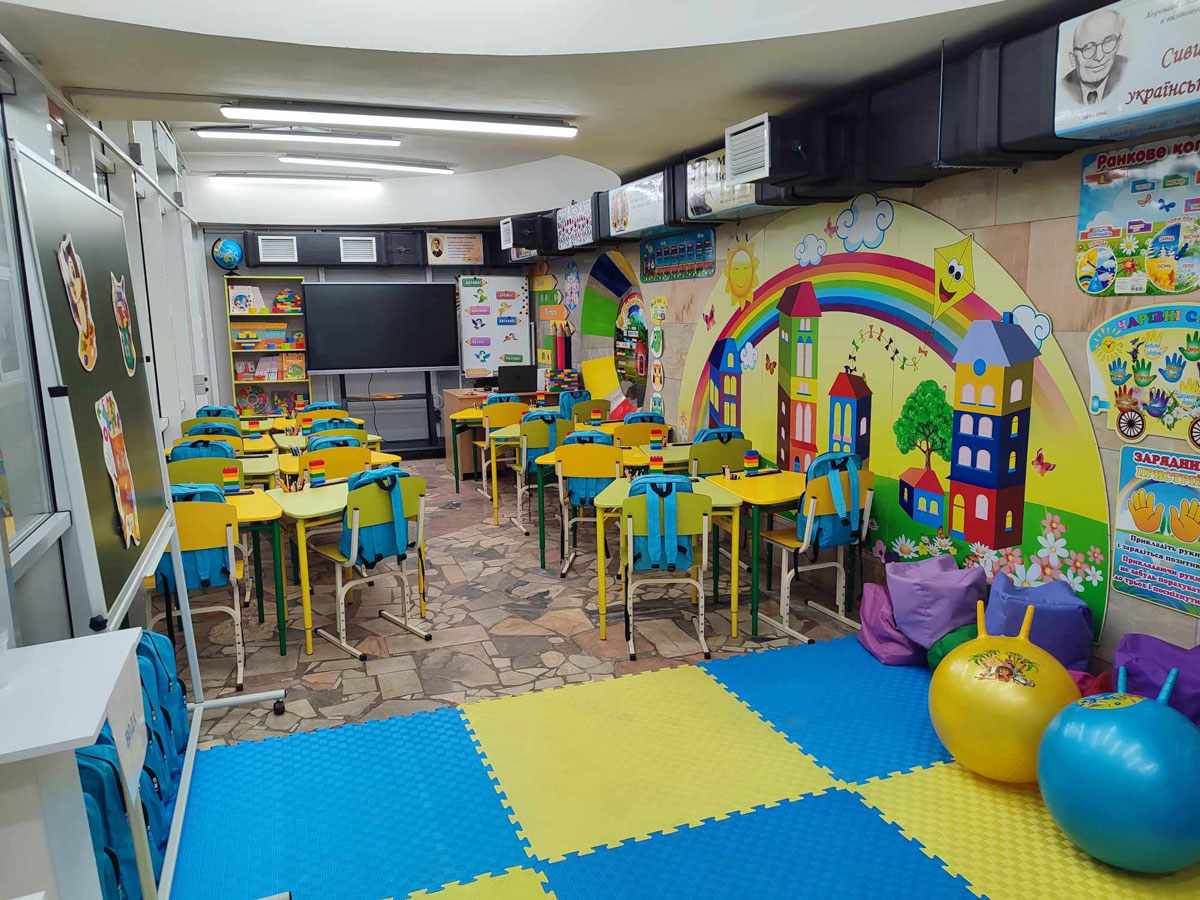
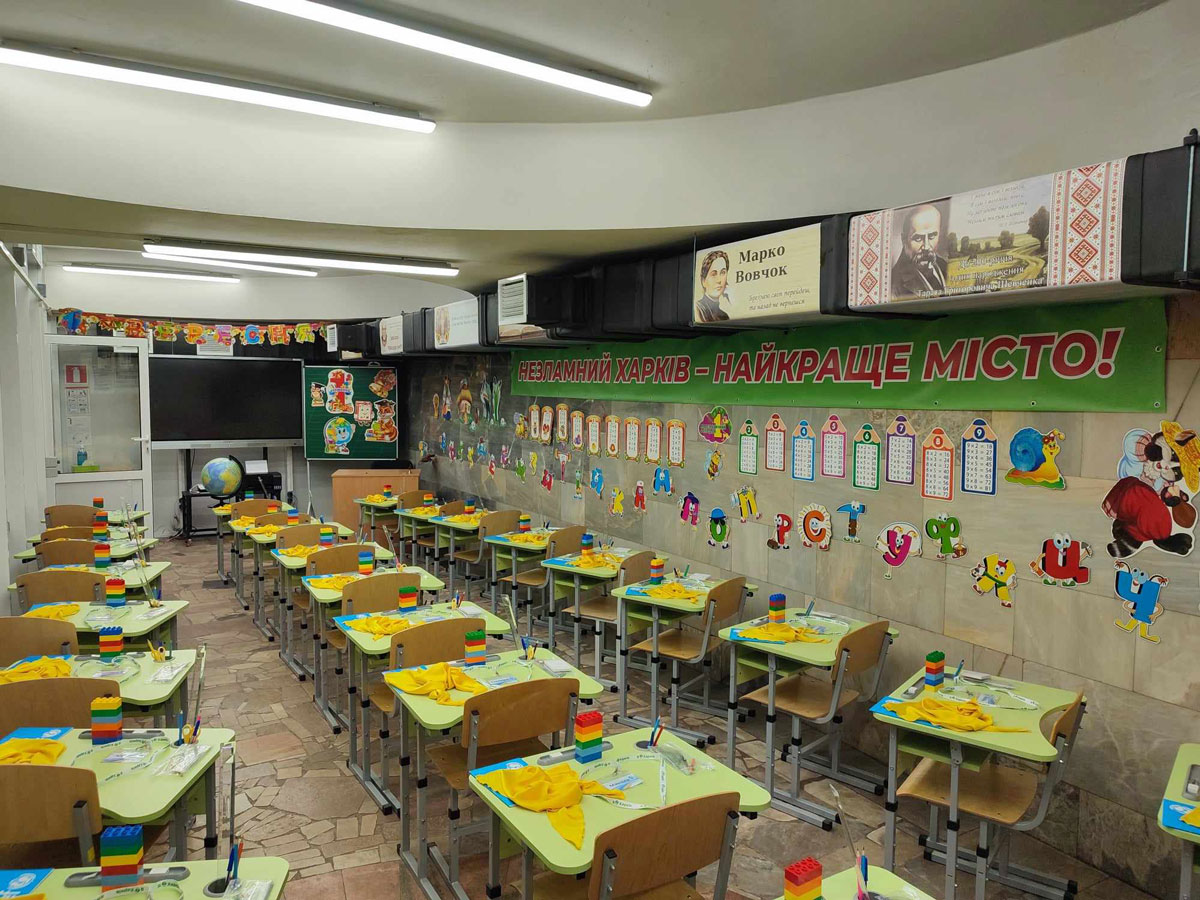
The protracted war forced yet another unusual function to be placed upon the metro: to serve as an educational institution for children, where they could receive an education without fear of Russian bombings. For this purpose, 17 classrooms were set up at five metro stations: Universytet, Peremoha, Traktornyi Zavod, Akademika Pavlova, and Metrobudivnykiv. The classrooms were arranged in service rooms located above the platforms where trains move, or in unused concourses. For comfortable learning, each classroom was fitted with climate control and soundproofing. Play areas were organised for breaks. Additionally, separate rooms housing medical staff and psychologists are located within the station premises. From 4 September 2023, more than a thousand pupils sat down at their desks in their new surroundings. Education takes place in two shifts, and buses take the schoolchildren to the new metro classrooms and back home. And from January 2024, not only schools but also kindergartens operate in the metro, where classes are held for the youngest children.
A metro classroom at the Universytet station.
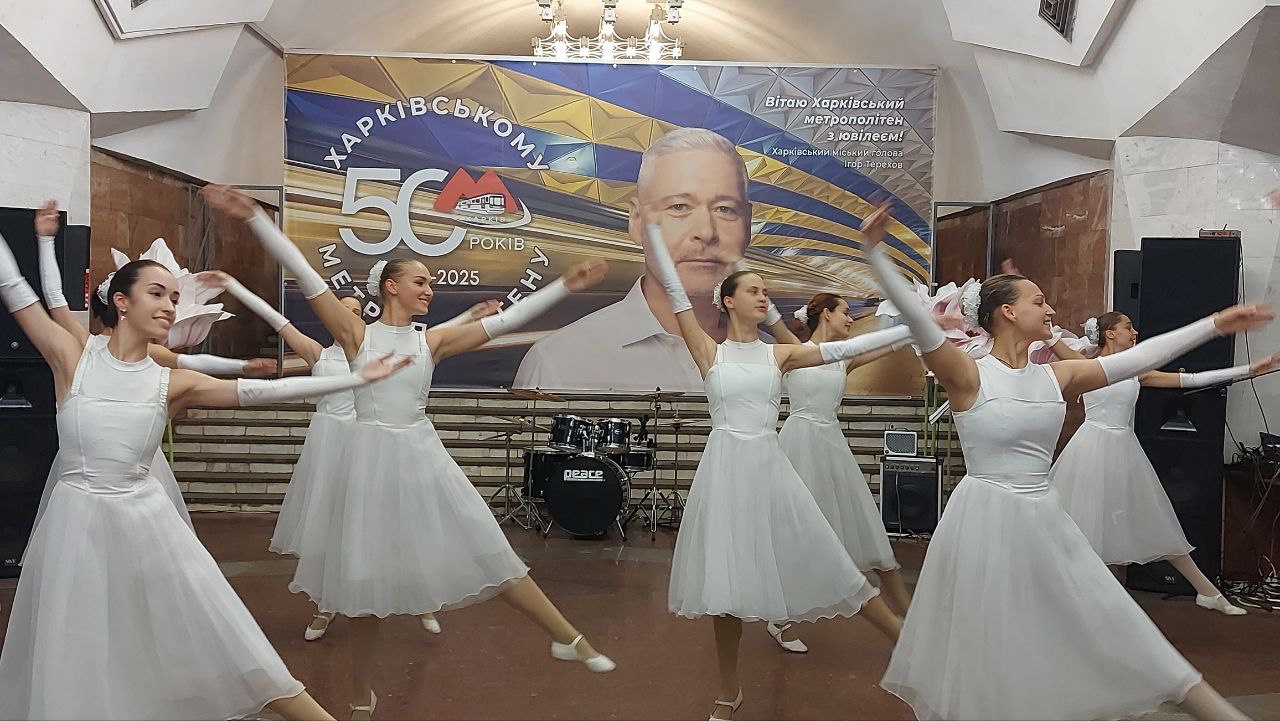
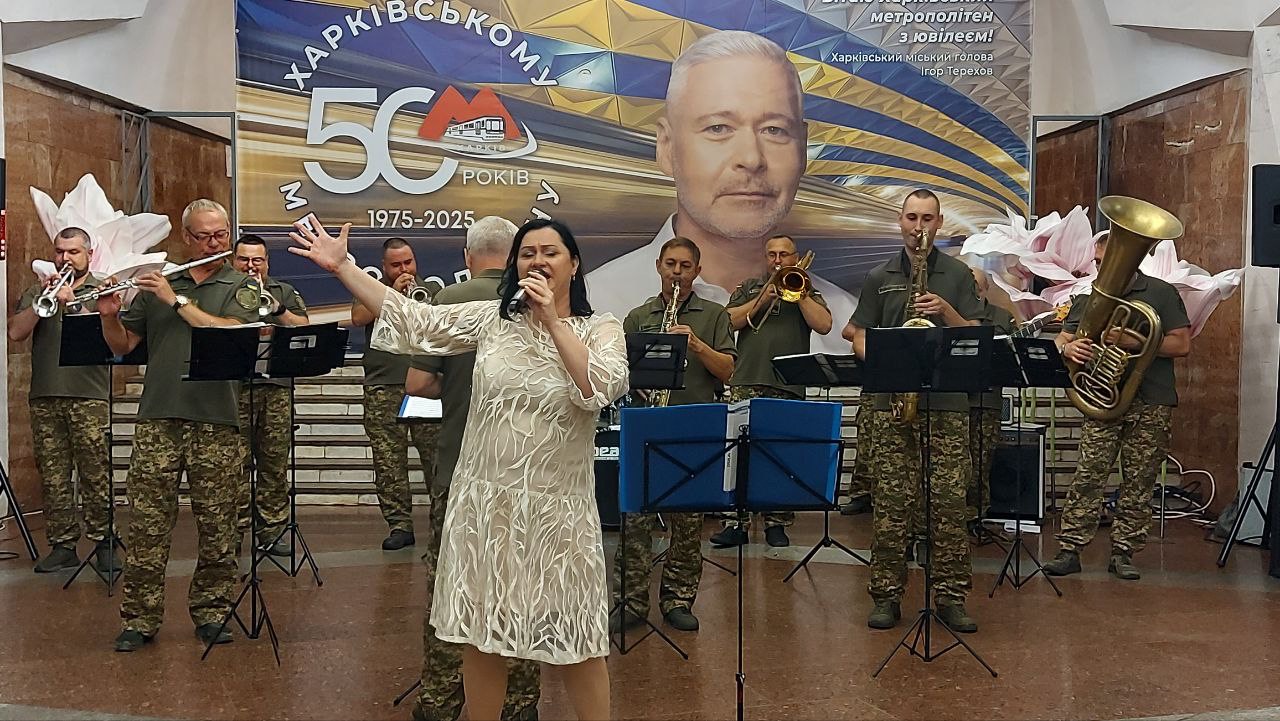
In the days of war, the metro stations serve not only as a refuge, but also as a palace of culture, theatre and philharmonic all at once, where the creativity and art of their native city continues to be embodied, and its artistic and cultural life goes on. Numerous concerts, exhibitions, musicals and festive programmes are held on the platforms and in the concourses of the stations. The New Year tree, instead of the main city square, has now taken up residence at the Universytet station for the duration of the war.
A gala concert on the occasion of the metro’s 50th anniversary at the Istorichnyi Muzei station, 23 August 2025.

In peacetime as in war, the Kharkiv Metro demonstrates an exemplary level of culture and passenger service. The author of this article sincerely hopes for a swift onset of peace and that the metro will never again have to be distracted from its main task of transporting Kharkiv residents and guests of the city.